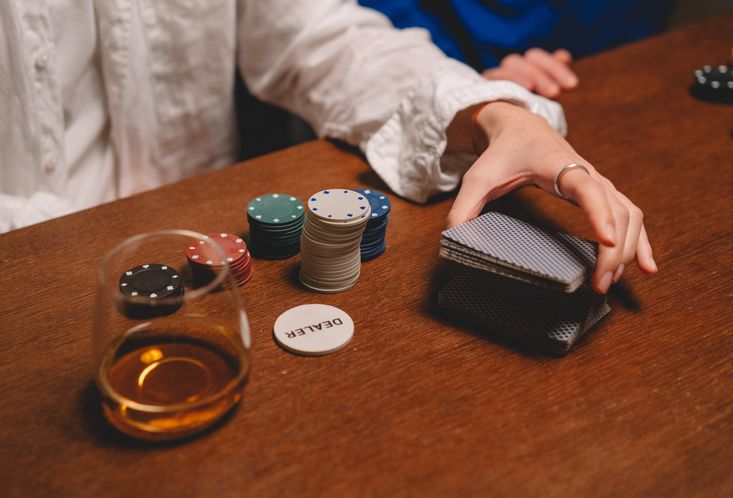
The past three years have witnessed an explosion of live‑stream casino content. Platforms such as Twitch, YouTube Live and TikTok now host daily marathon sessions where professional streamers spin slots, battle dealers and field chat questions in real time. Operators quickly realized that the traditional banner‑farm model could not compete with the immediacy and authenticity of a streamer who can show a win, explain volatility and answer wagering questions on the spot.
Because the audience is watching a live narrative, the promotional hook has shifted from generic “sign‑up now” banners to “bonus‑centric” collaborations. Influencers negotiate exclusive deposit matches, free‑spin bundles or “no‑wager” offers that appear only for their followers. These deals are often managed through affiliate networks that specialize in casino traffic, such as https://www.a15action.com/. The network acts as a broker, handling tracking, compliance and payment settlement while allowing operators to focus on creative bonus design.
In the sections that follow, we break down how these partnerships are redefining bonus structures, how operators measure true ROI, and which regulatory safeguards must be built into every live‑stream promotion. The analysis is aimed at senior marketers, product managers and compliance officers who need an expert‑level view of the evolving landscape.
1. The Evolution of Casino Influencer Marketing
Early casino videos were static walkthroughs posted on YouTube in 2015, where creators simply explained game rules and showed pre‑recorded wins. By 2018, the rise of Twitch’s “Just Chatting” category gave streamers a stage to host interactive slot marathons, complete with live chat polls that decided the next bet size.
The shift accelerated when TikTok introduced short‑form “spin‑snippets” that could go viral within minutes, prompting operators to allocate media budgets away from static banner ads toward influencer contracts. Trust became the primary driver: viewers trust a streamer who consistently delivers transparent RTP data and explains volatility, rather than a glossy banner promising “up to $1,000 bonus.”
Today, a single influencer may broadcast across three platforms simultaneously, using OBS overlays to display real‑time bonus codes, wagering requirements and win‑rate statistics. The “bonus narrative” – a story that starts with a teaser code, builds through a series of free‑spin triggers, and ends with a high‑stakes table showdown – now serves as the central hook that keeps viewers glued for hours.
2. Anatomy of a Bonus‑Focused Partnership
A typical agreement contains three financial pillars. First, a revenue‑share component where the influencer receives a percentage of net gaming revenue generated by players who register with their code. Second, a cost‑per‑lead (CPL) fee that pays a flat amount for each qualified sign‑up, regardless of subsequent wagering. Third, an exclusive bonus package that the operator designs specifically for the influencer’s audience.
Roles are clearly delineated. The influencer creates the live content, integrates the bonus code into chat, and provides performance analytics to the operator. The casino operator supplies the game library, configures the bonus logic, and ensures compliance with jurisdictional rules. An intermediary – often an affiliate network or a tech platform – handles tracking pixels, fraud detection and payment reconciliation.
A common structure is a tiered bonus tied to stream milestones. For example, the first 500 viewers who claim the code receive a 100 % deposit match up to $200, while the next 500 get an additional 20 free spins on a featured slot. When the streamer reaches a 2‑hour “high‑roller” checkpoint, a “double‑up” bonus is unlocked, adding a 50 % match on deposits made during the next 30 minutes. This creates a gamified incentive for both the audience and the influencer.
3. Designing Bonuses That Convert Live Audiences
Psychology drives bonus design. Free spins act as a low‑risk entry point, encouraging viewers to test volatility without committing funds. Match‑deposit offers provide a tangible “extra money” feeling, especially when the multiplier is odd (e.g., 125 % on the first $100). No‑wager offers – where winnings can be withdrawn immediately – remove the dreaded wagering hurdle and boost trust among skeptical viewers.
Different streaming formats demand distinct bonus structures. A quick‑play slot marathon benefits from rapid‑fire free‑spin bursts that can be announced every few minutes, keeping the chat lively. In contrast, a high‑roller blackjack session thrives on larger, time‑limited deposit matches that encourage deeper bankroll commitment.
Data‑driven optimization is essential. Operators run A/B tests on bonus language (“Get 150 % up to $300” vs. “Boost your first deposit by 150 %”) and on visual overlays (static banner vs. animated chat bot). During a live stream, the operator can switch the bonus wording in real time based on click‑through heat maps, measuring which phrasing yields the highest activation rate within the first five minutes of the offer.
Sample Bonus Comparison
| Stream Format | Bonus Type | Wagering Requirement | Time Limit | Ideal Audience |
|---|---|---|---|---|
| Slot Sprint | 20 Free Spins + 100 % match up to $100 | 20x (free spins) / 30x (match) | 48 h | Casual spin‑seekers |
| Blackjack Blitz | 150 % match up to $250 | 35x (total) | 72 h | High‑stakes strategists |
| Live Roulette | 50 % match up to $150 + 10 free bets | 25x (match) | 24 h | Mixed‑skill players |
4. Regulatory Landscape and Compliance Risks
In the United Kingdom, the UKGC requires explicit disclosure whenever a promotion is influencer‑driven. The streamer must display a “paid partnership” label and read a scripted disclaimer that the bonus is subject to terms and conditions. Malta Gaming Authority (MGA) rules similarly mandate that any affiliate code be clearly identified, and that age‑gate mechanisms prevent under‑18 viewers from accessing the sign‑up page.
In the United States, state‑by‑state regulations vary. Nevada allows direct influencer promotions but demands a separate compliance audit for each campaign, while New Jersey requires that the bonus code be linked to a verified player‑ID before any credit is issued.
Best‑practice checklist:
- Include a visible “Sponsored” tag on the stream overlay.
- Use an age‑verification gate before the bonus claim page loads.
- Display responsible‑gaming messaging (e.g., “Set your deposit limits”) alongside the bonus offer.
- Keep a record of all promotional copy for audit purposes.
By adhering to these steps, operators can keep the campaign engaging while staying within the legal framework of each jurisdiction.
5. Measuring ROI: Beyond Click‑Through Rates
Traditional affiliate metrics such as click‑through rate (CTR) are insufficient for bonus‑centric streams. Operators should focus on activation rate – the percentage of viewers who actually claim the bonus code and complete the first deposit. First‑deposit value (FDV) measures the average amount wagered on that initial deposit, while churn within the bonus window tracks how many players abandon the account before meeting wagering requirements.
Attribution models now incorporate a “dual‑credit” system. The influencer receives a share of revenue based on the activation rate, while the bonus incentive is credited as a separate line item that reduces the net cost per acquisition. This approach reveals the true incremental lift generated by the bonus itself, not just the influencer’s audience size.
Common tools include Tableau dashboards that combine streaming analytics (viewer count, chat sentiment) with casino back‑office data (deposit logs, bonus redemption). Operators also use heat‑map software to see which moments in the stream generated the most bonus clicks, allowing them to replicate successful timing in future campaigns.
6. Case Study: A Successful Bonus Campaign on a Live‑Stream Platform
A mid‑size European casino partnered with a Twitch streamer known for high‑stakes slot marathons. The objective was to boost new‑player registrations during a 4‑hour “Double‑Up Free Spin” event.
Execution steps
- The operator created a unique code that unlocked a 100 % match up to $200 plus 30 free spins on Starburst for the first 1,000 claims.
- The streamer announced the code at the start, then again at the 2‑hour mark when the “Double‑Up” trigger activated, adding an extra 20 free spins for any deposit made in the next 15 minutes.
- Real‑time overlay widgets displayed the remaining bonus inventory, creating urgency.
Results
- New‑player registrations rose 35 % compared with the previous week’s baseline.
- Average deposit size increased 22 % (from $78 to $95) because the “Double‑Up” incentive encouraged larger bets during the bonus window.
- Activation rate hit 48 %, nearly double the typical 25 % for standard banner campaigns.
Lessons learned
- Mid‑stream bonus tweaks (adding the extra free spins) kept the audience engaged and prevented fatigue.
- Displaying inventory levels in the overlay created a scarcity effect that drove faster claim rates.
- Coordinating the bonus expiry with the stream’s natural climax maximized deposit volume while staying within compliance limits.
7. The Influence of Audience Demographics on Bonus Design
Age, geography and preferred game type shape which bonus resonates. Younger viewers in the 18‑24 bracket, especially from the UAE sportsbook market, prefer low‑commitment offers such as 10 free spins with a modest 10 % match, because they are more risk‑averse and often play on mobile devices.
Conversely, European high‑rollers (35‑45) gravitate toward high‑value match deposits and “no‑wager” cashbacks that allow immediate withdrawals. Geographic data also reveals that players from Malta respond well to “cash‑back on losses” bonuses, while US players from regulated states favor “first‑deposit insurance” that refunds a portion of a losing first bet.
Segmenting viewers into “casual spin‑seekers” versus “high‑stakes strategists” enables operators to push tailored offers via chat bots. For example, a bot can detect a viewer’s chat history (mentions of “high limit” or “RTP”) and automatically suggest a bonus code that includes a higher match percentage and a lower wagering multiplier.
8. Technology Enablers: Real‑Time Bonus Delivery and Tracking
Modern APIs allow operators to push personalized bonus codes directly into a stream’s chat. When a viewer clicks the overlay, the system generates a unique code, logs the claim, and instantly credits the player’s account. This reduces latency to under two seconds, preserving the excitement of a live win.
Blockchain verification is emerging as a way to guarantee transparent bonus fulfillment. Each bonus issuance can be recorded on a private ledger, providing immutable proof that the player received the promised free spins or match deposit.
Integration with CRM platforms enables the bonus activity to feed directly into the player lifecycle. If a player redeems a free spin but fails to meet wagering requirements, the CRM can trigger a follow‑up email offering a “second‑chance” bonus, thereby extending the value of the initial influencer partnership.
9. Future Trends: AI‑Generated Bonuses and Hyper‑Personalization
Predictive AI models can analyze live chat sentiment, betting patterns and even facial expression data (where consent is given) to generate dynamic bonus offers on the fly. An AI avatar might announce, “You’ve just hit a 3‑star volatility streak – here’s a 75 % match for the next 10 minutes.”
These hyper‑personalized bonuses promise higher conversion, but regulators are already warning about “algorithmic inducement” that could pressure vulnerable players. Ethical guidelines will likely require operators to disclose when an AI is generating a bonus and to provide an opt‑out mechanism.
Nevertheless, the technology is advancing quickly. Early pilots show that AI‑driven offers can lift activation rates by up to 12 % compared with static codes, especially when combined with real‑time data from the stream’s viewer count and average bet size.
Conclusion
Live‑stream casino influencers have turned bonus promotions into a live, interactive performance art. By aligning match‑deposit structures, free‑spin bundles and no‑wager offers with the rhythm of a stream, operators turn passive viewers into active depositors. The most successful brands treat bonuses not as a cost of acquisition but as a data‑rich engagement tool that can be measured, optimized and scaled.
Readers should audit their current influencer agreements, evaluate whether their bonus designs are truly tailored to the streaming format, and explore emerging technologies such as real‑time APIs and AI‑generated offers. The next wave of casino‑influencer collaborations will be defined by hyper‑personalization, compliance‑first design and a relentless focus on converting live excitement into sustainable player value.